
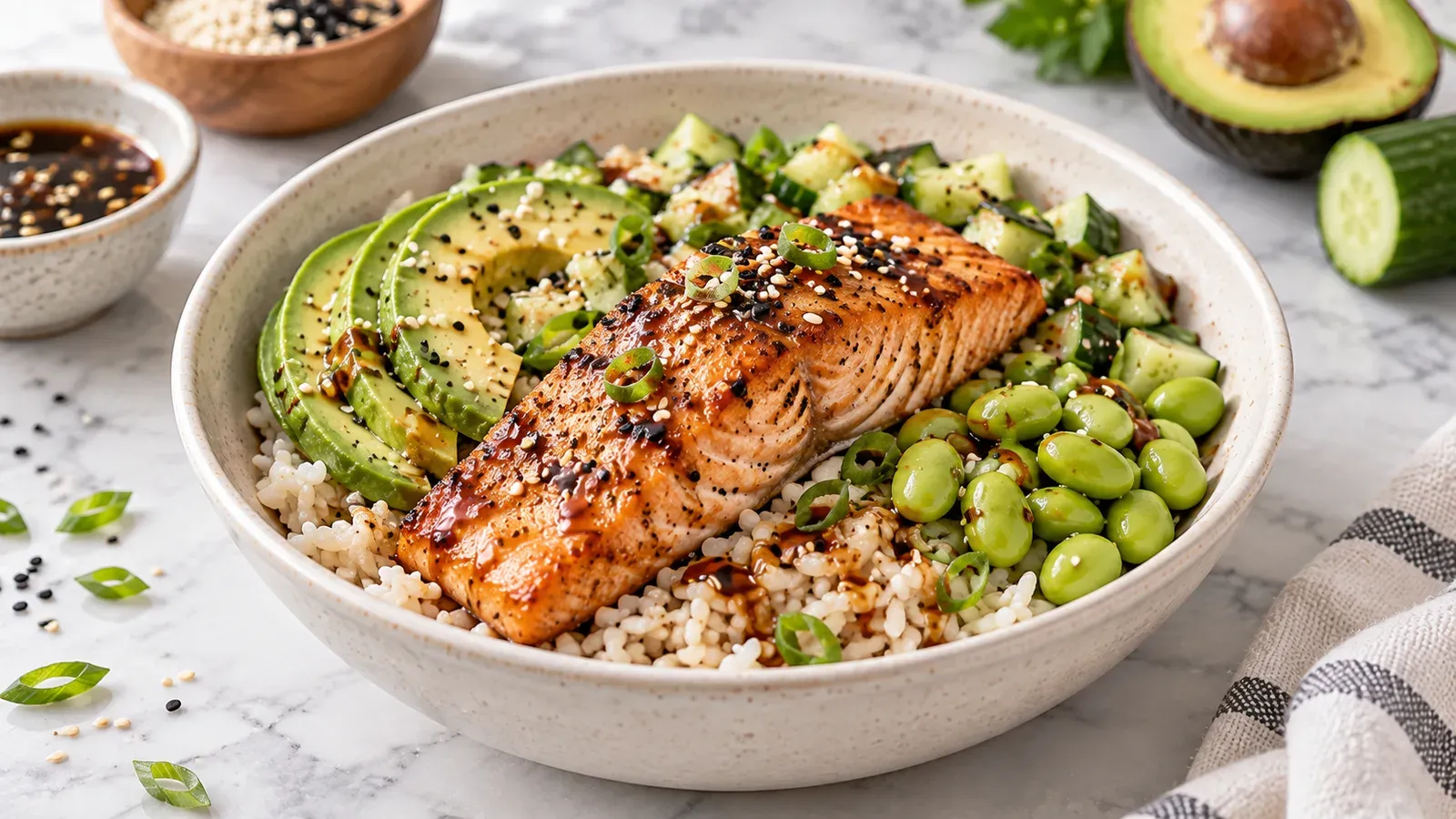
High-Protein Salmon Bowl
Per serving (1 bowl)
How I calculate this → Protein calculator →
6g of protein per 100 calories, more than 6 of the other 27 dinner recipes here.
I bake the salmon rather than pan-searing it for this one, since a sheet pan lets me get both fillets done evenly while I build the rest of the bowl. The dressing is just gluten-free tamari (or soy sauce) and a little sesame oil, no measuring out a long list of sauce ingredients. I build the bowl in sections rather than mixing everything together, so each component keeps its own texture instead of turning into rice mush.
Why you'll love this
- 41g of protein per serving from a full salmon fillet plus edamame
- 6g of fiber per serving between the avocado and edamame
- One sheet pan for the salmon, the rest is quick assembly
Recipe
High-Protein Salmon Bowl
Ingredients
Instructions
- Preheat the oven to 400°F. Rub the salmon fillets with olive oil, salt, and pepper and place on a lined sheet pan.
- Bake for 10 to 12 minutes, until the salmon flakes easily with a fork and reads 145°F at the thickest part.
- While the salmon bakes, warm the edamame according to the package, and whisk together the tamari and sesame oil for the dressing.
- Divide the rice between two bowls. Top each with a salmon fillet, avocado, cucumber, and edamame.
- Drizzle with the dressing and sprinkle with sesame seeds if using.
Equipment
- Sheet pan
Notes
- I build the bowl in sections, rice on the bottom and everything else arranged on top, rather than tossing it all together. It keeps the avocado and cucumber from turning the rice soggy before you get to it.
- The dressing is deliberately simple. A more involved sauce is easy to add later, but tamari and sesame oil alone already carry the bowl.
- Regular soy sauce works in place of the tamari, but it contains wheat, so the recipe is no longer gluten-free.
Nutrition (per serving)
| Calories | 635 |
|---|---|
| Protein | 41g |
| Carbs | 43g |
| Fat | 33g |
| Fiber | 6g |
Where these numbers come from
I calculate every figure above from USDA FoodData Central, ingredient by ingredient, then divide by the servings the recipe makes. Each FDC number links to the exact USDA entry I used. How I calculate nutrition
- Salmon: FDC #175168 (Fish, salmon, Atlantic, farmed, cooked, dry heat), 22.1g protein / 206 kcal / 12.4g fat per 100g. 2 fillets raw (340g) scaled to an 80% cooked yield for fish = 272g cooked.
- Rice, cooked: FDC #168878 (Rice, white, long-grain, regular, enriched, cooked), 2.69g protein / 130 kcal / 28.2g carb / 0.4g fiber per 100g; FDC's own 1 cup measure = 158g.
- Avocado: FDC #171705 (Avocados, raw, all commercial varieties), 2g protein / 160 kcal / 14.7g fat / 8.53g carb / 6.7g fiber per 100g; FDC's own '1 avocado' measure = 201g.
- Cucumber: FDC #2346406 (Cucumber, with peel, raw), 0.62g protein / 16 kcal / 0.18g fat / 2.95g carb per 100g.
- Edamame: FDC #168411 (Edamame, frozen, prepared), 11.9g protein / 121 kcal / 5.2g fat / 8.91g carb / 5.2g fiber per 100g; FDC's own 1 cup measure = 155g.
- Gluten-free tamari: FDC #174278 (Soy sauce made from soy (tamari)), 10.51g protein / 60 kcal / 0.1g fat / 5.57g carb / 0.8g fiber per 100g, 1 tbsp = 18g (FDC measure).
- Sesame oil: no distinct FDC entry found; treated as a standard pure vegetable oil (0g protein, 100g fat, 884 kcal per 100g, same as FDC #171413 olive oil), since refined culinary oils are essentially identical in macro composition regardless of source.
- Quantities: rice 1.5 cups = 237g; avocado 1/2 = 100.5g; cucumber 1/2 cup diced = 52g (FDC #168409); edamame 1/2 cup = 77.5g; tamari 2 tbsp = 36g; sesame oil 2 tsp = 9g (FDC #171016); olive oil 1 tsp = 4.5g.
- Recomputed 2026-10-06 after switching to gluten-free tamari: batch totals 81.8g protein, 1,273 kcal, 66.9g fat, 85.8g carb, 12.2g fiber; divided by 2.
Storage
The rice, salmon, and edamame keep in an airtight container for up to 3 days. Store the avocado separately and add it fresh, since it browns and softens once cut and refrigerated.
FAQ
Can I use a different grain?
Yes. Cauliflower rice cuts the carbs significantly if that’s the goal, or farro or quinoa both work if you want more fiber from the grain itself.
Do I need to buy pre-shelled edamame?
It’s the easier route. Frozen shelled edamame just needs a quick steam or microwave, while pods need shelling by hand after cooking.
Can I make this ahead?
The rice, edamame, and dressing all hold up fine made ahead. Add the avocado just before eating, since it browns once cut.
Looking for more seafood dinners: the air fryer salmon is a faster, simpler option for a weeknight.
For how salmon compares with other fish, see the seafood section of Foods High in Protein.
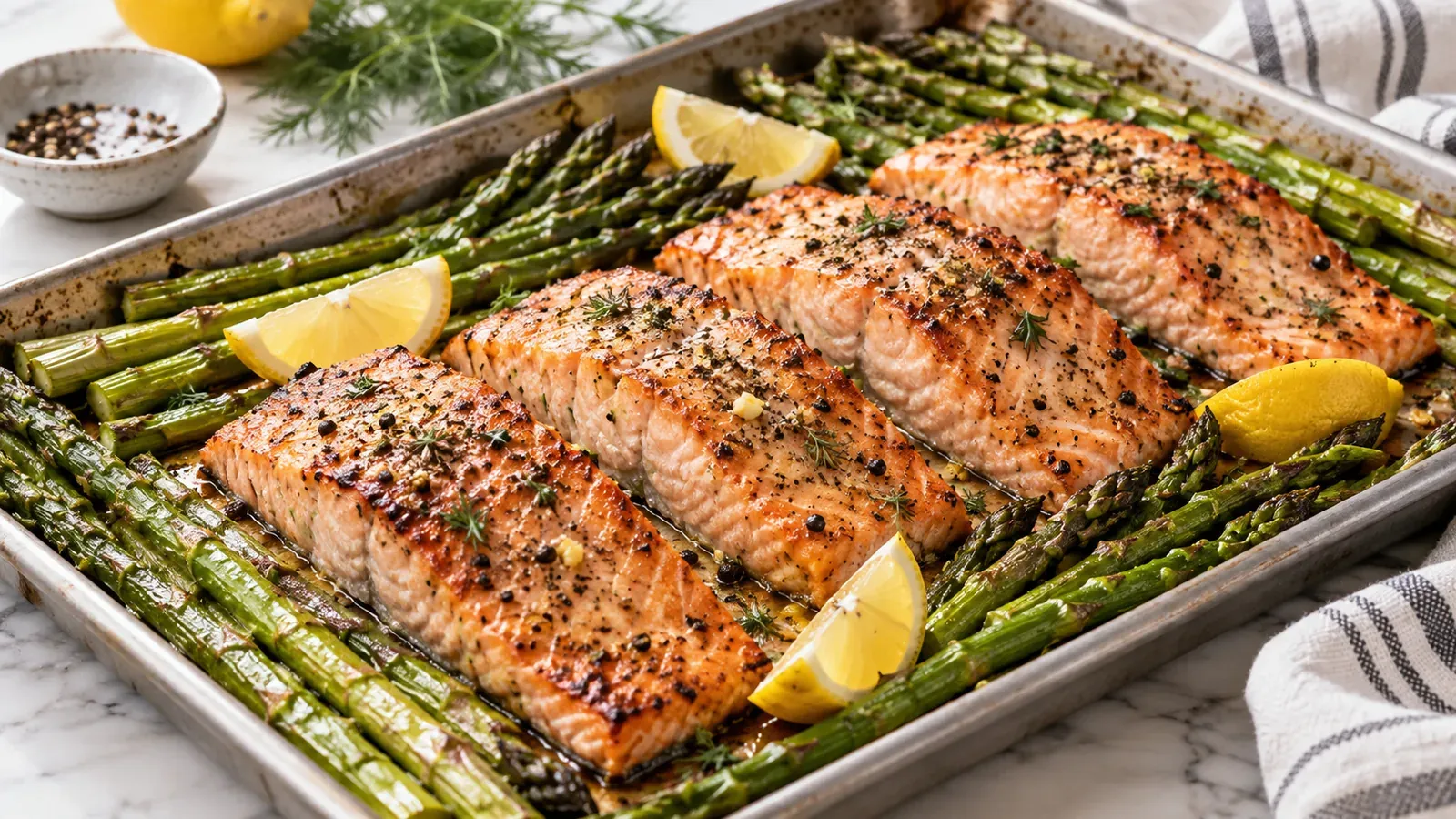
High-Protein Sheet-Pan Salmon with Asparagus
Salmon and asparagus roasted on one sheet pan at the same temperature: a high-protein, low-carb dinner with almost no cleanup.
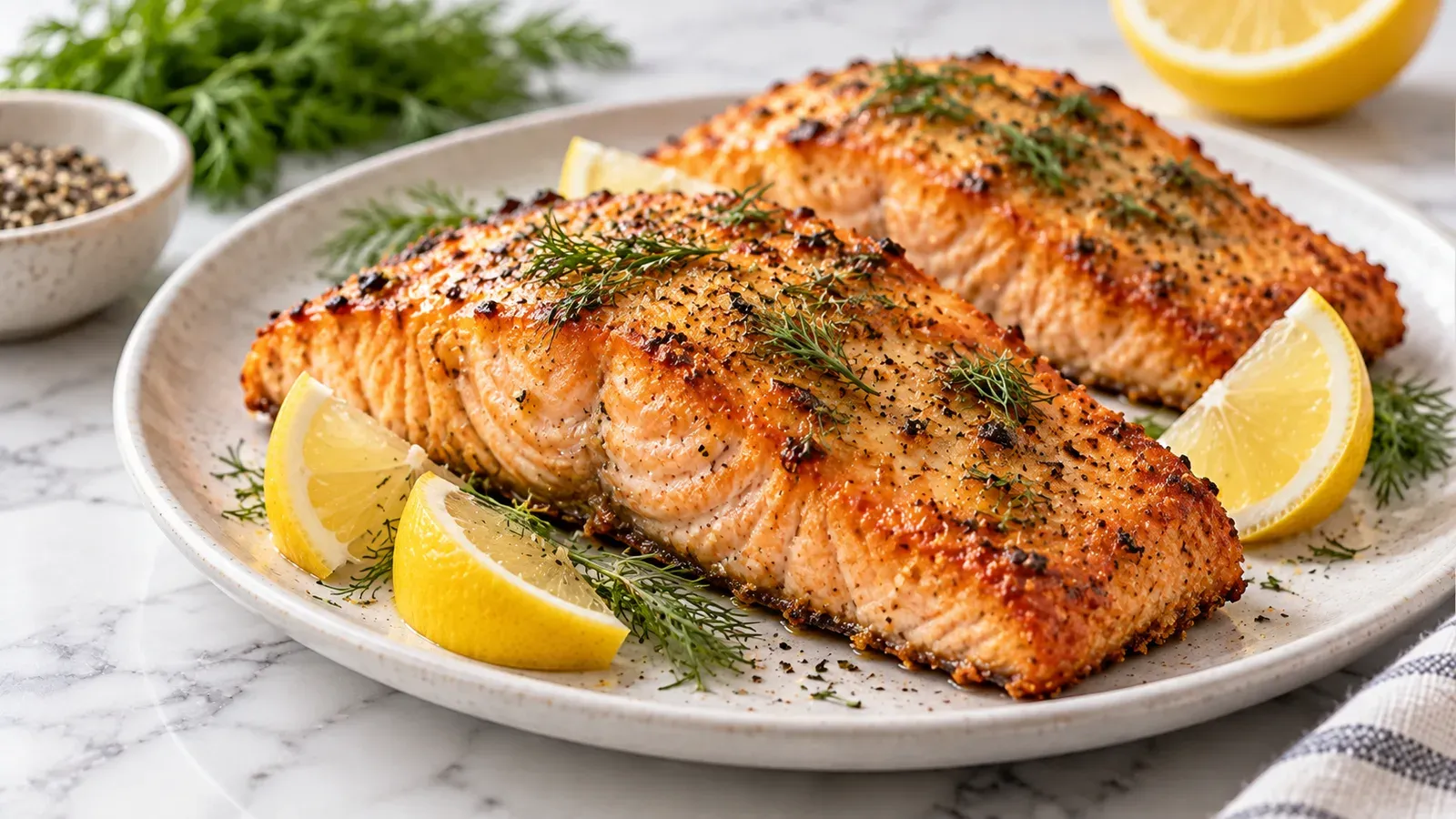
High-Protein Air Fryer Salmon
Air fryer salmon with lemon, garlic, and dill: a high-protein, low-carb dinner ready in 20 minutes with no oven preheat.
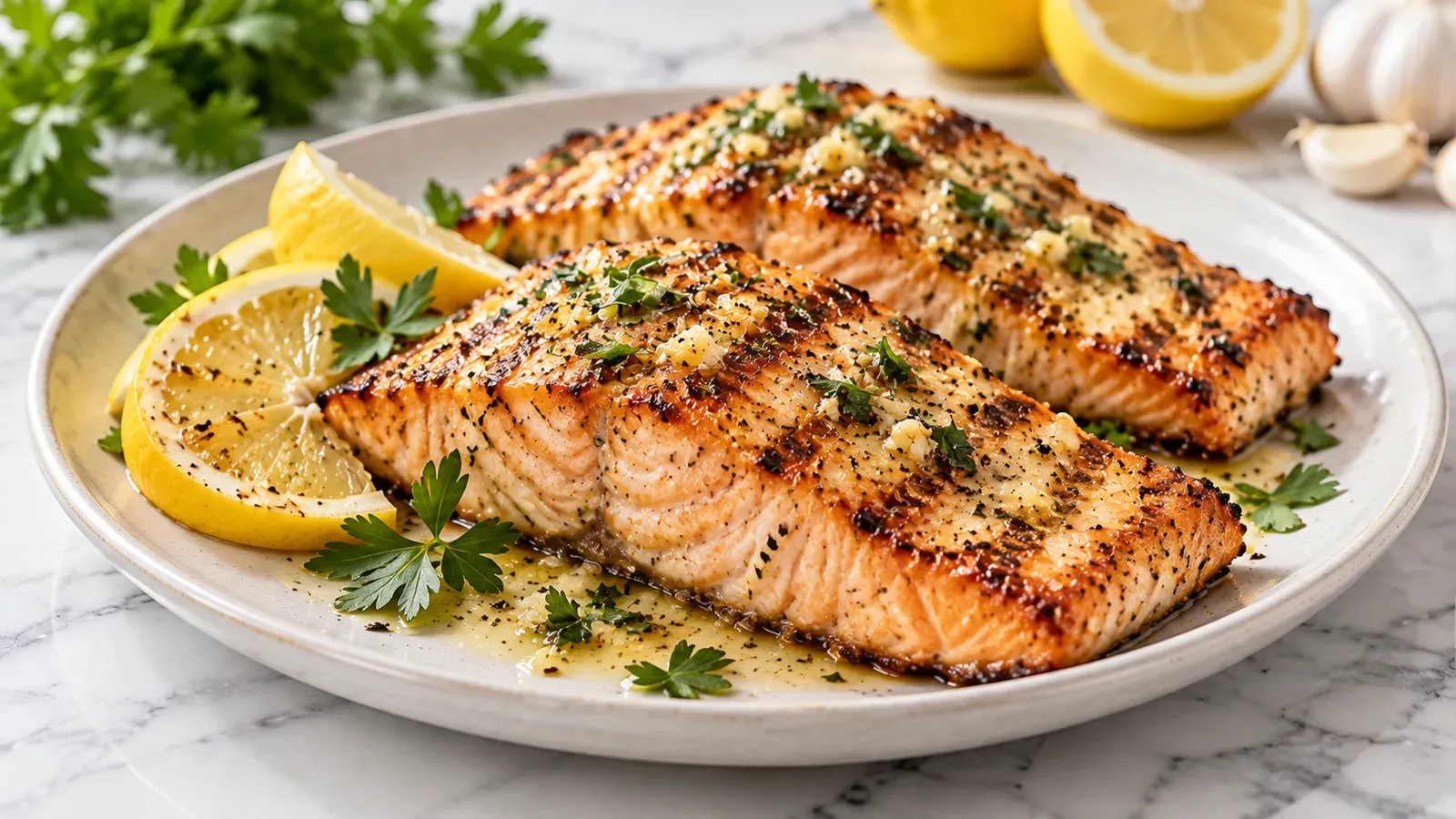
High-Protein Grilled Salmon
Simple grilled salmon with lemon and garlic: a high-protein, low-carb dinner ready in under 20 minutes.
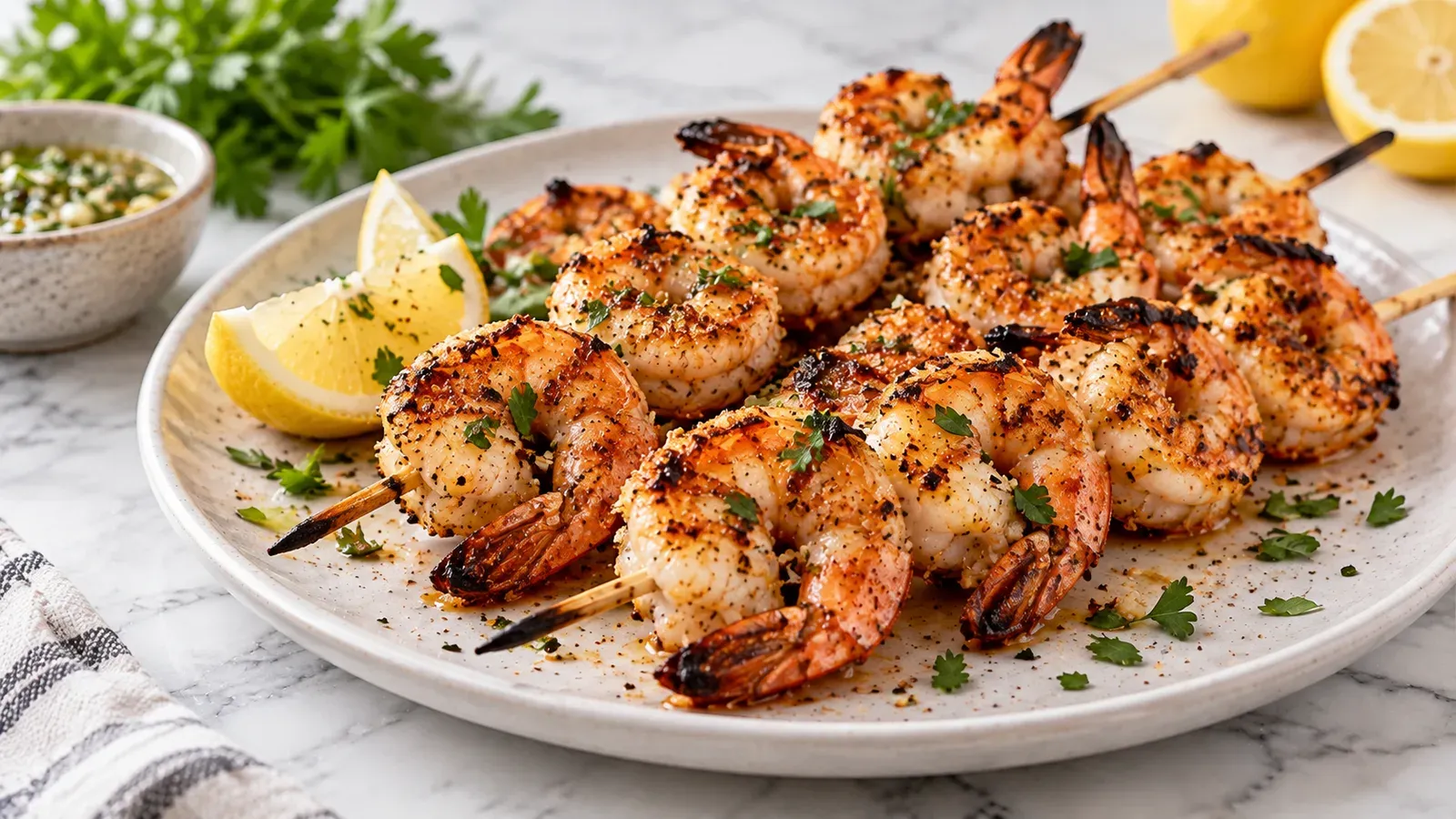
High-Protein Grilled Shrimp Skewers
Grilled shrimp skewers with garlic and lemon: a high-protein, low-carb, low-calorie dinner ready in under 25 minutes.
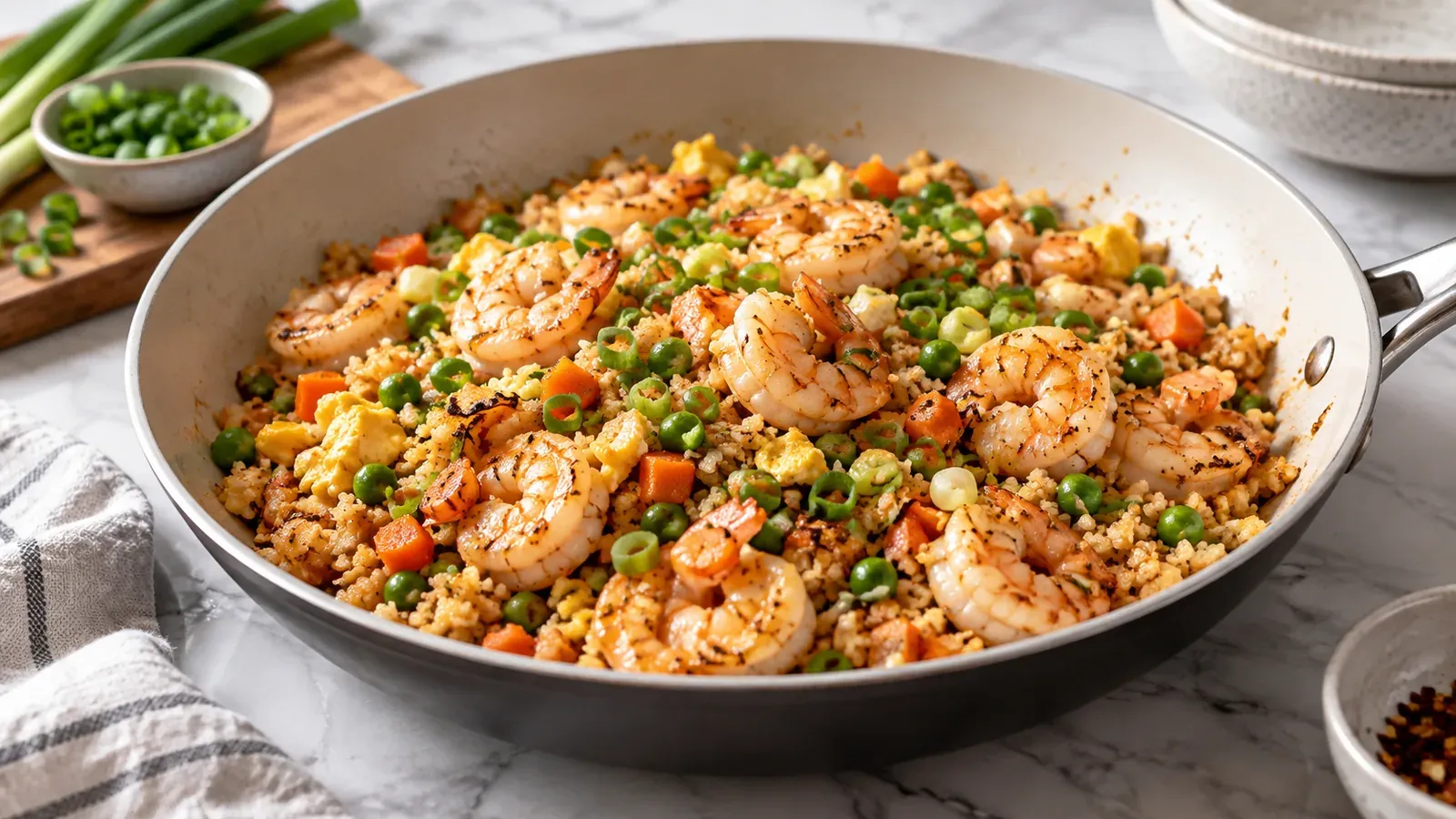
High-Protein Shrimp and Cauliflower Rice Stir-Fry
A 20-minute shrimp and cauliflower rice stir-fry with real fried-rice technique: high protein, low carb, one skillet.
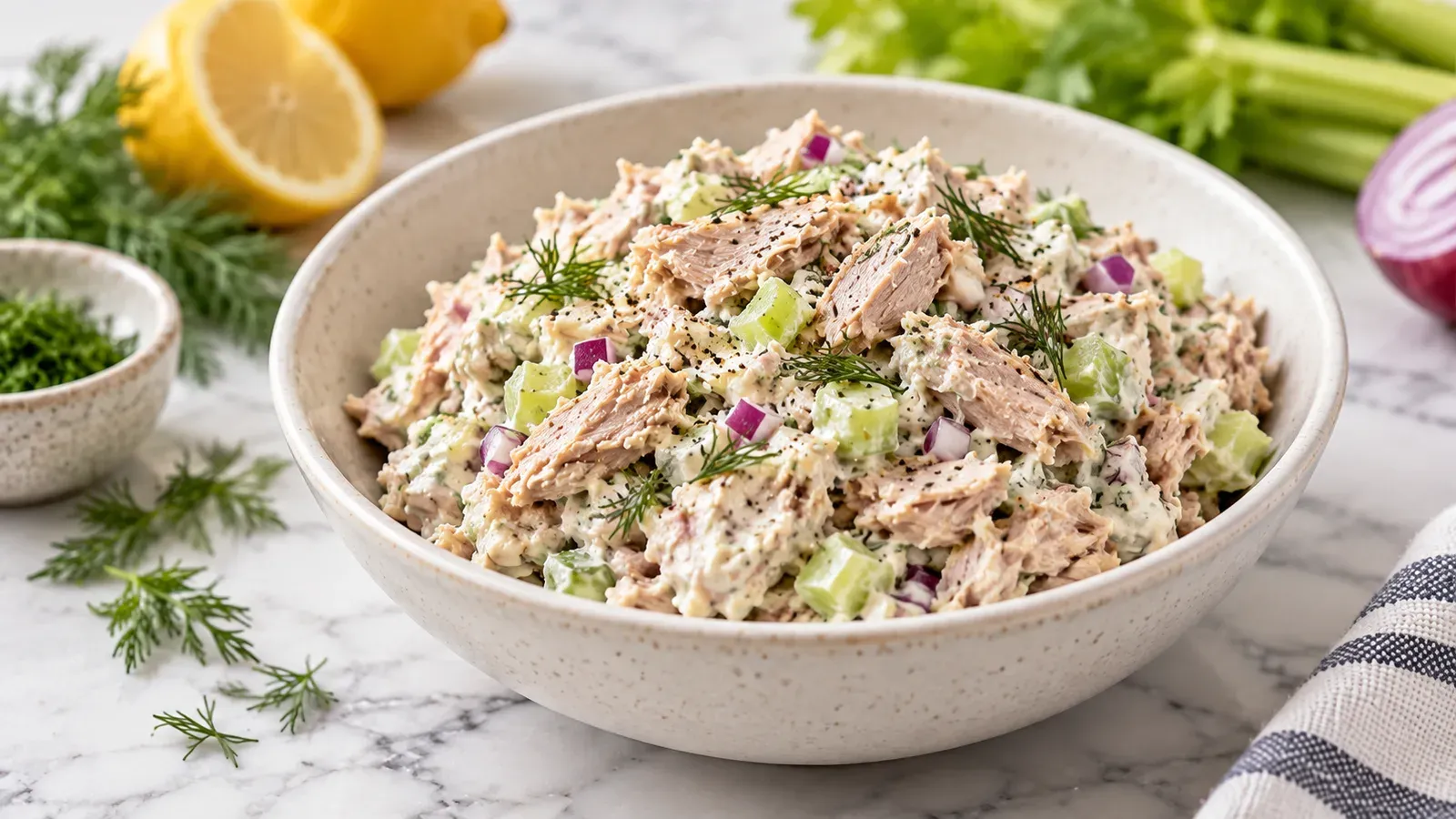
High-Protein Tuna Salad
A high-protein tuna salad made with Greek yogurt instead of mayo: no-cook, low-calorie, ready in 10 minutes.