
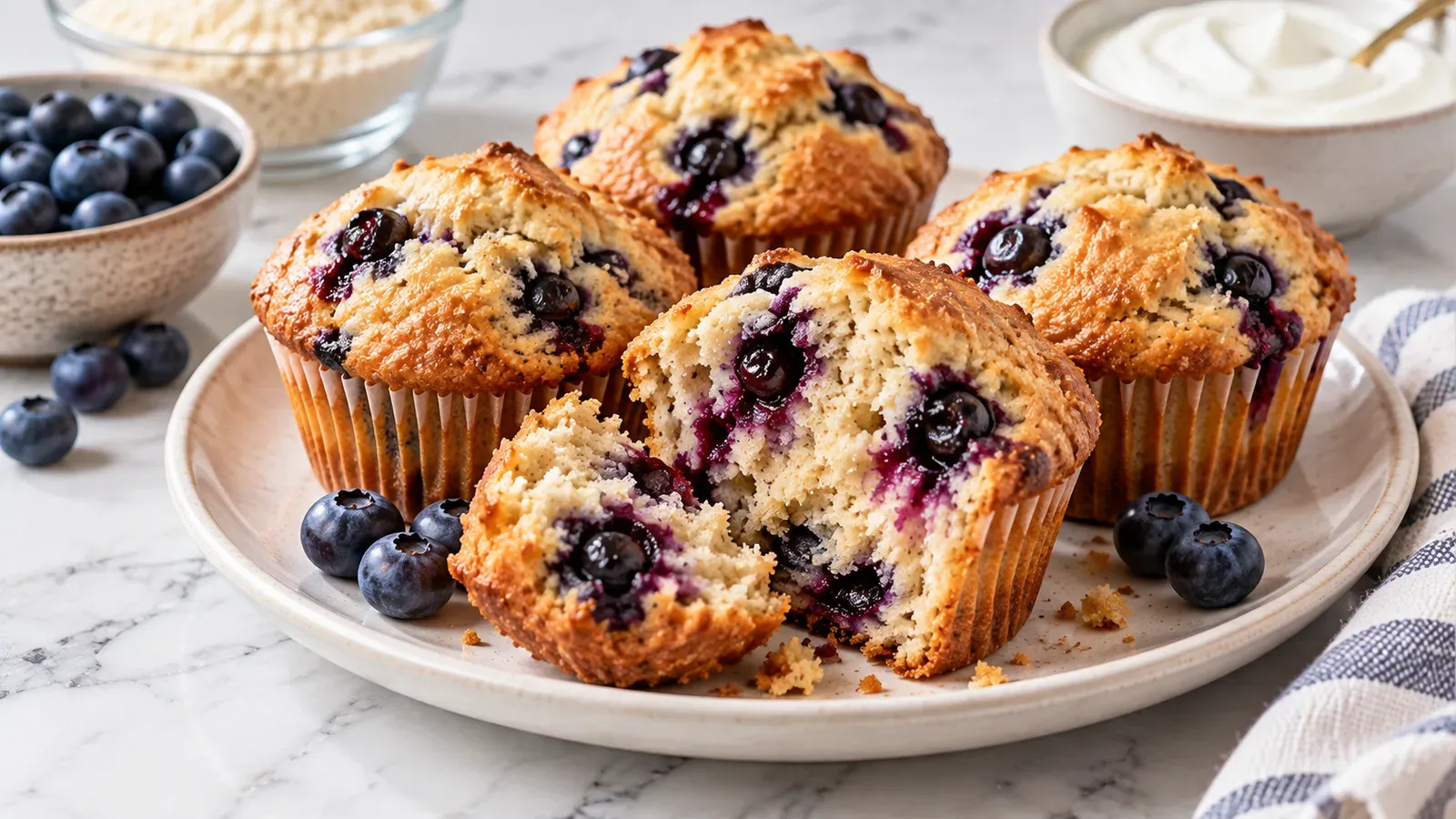
High-Protein Blueberry Muffins
Per serving (1 muffin)
How I calculate this → Protein calculator →
5g of protein per 100 calories, more than 3 of the other 11 breakfast recipes here.
Greek yogurt is standing in for most of the butter or oil a regular muffin recipe would call for, which is most of where the protein number here comes from. Almond flour behaves differently than wheat flour: the batter is thicker and doesn't rise as much, so I fill the muffin cups closer to the top than I would with a regular batter. I toss the blueberries in a little of the almond flour before folding them in, which keeps them from all sinking to the bottom.
Why you'll love this
- 11g of protein per muffin, no protein powder needed
- About 230 calories per muffin
- Gluten-free with almond flour standing in for wheat
Recipe
High-Protein Blueberry Muffins
Ingredients
Instructions
- Preheat the oven to 350°F and line a muffin tin with 10 liners.
- In a mixing bowl, whisk together the eggs, Greek yogurt, honey, and vanilla.
- Add the almond flour, baking soda, and salt. Stir until just combined.
- Toss the blueberries with a spoonful of the batter to coat, then fold them into the rest of the batter.
- Divide among the muffin cups, filling each about 3/4 full.
- Bake for 20 to 22 minutes, until a toothpick inserted in the center comes out clean.
Equipment
- Muffin tin
- Mixing bowl
Notes
- I toss the blueberries in a little batter before folding them in fully. It coats them just enough to keep most of them suspended through the muffin instead of all sinking to the bottom.
- Almond flour batter rises less than wheat flour batter, so I fill the cups closer to 3/4 full rather than the 2/3 that's typical for a regular muffin recipe.
Nutrition (per serving)
| Calories | 230 |
|---|---|
| Protein | 11g |
| Carbs | 16g |
| Fat | 14g |
| Fiber | 3g |
Where these numbers come from
I calculate every figure above from USDA FoodData Central, ingredient by ingredient, then divide by the servings the recipe makes. Each FDC number links to the exact USDA entry I used. How I calculate nutrition
- Almond flour: FDC #2261420 (Flour, almond), 26.2g protein / 622 kcal / 50.2g fat / 16.2g carb / 9.3g fiber per 100g; 2 cups = 240g (brand labels list 2 tbsp = 15g, so 1 cup = 120g). (2026-09-28: previously 192g.)
- Egg: FDC #171287 (Egg, whole, raw, fresh), 12.6g protein / 143 kcal / 9.51g fat / 0.72g carb per 100g, used here for 3 large (150g).
- Greek yogurt (nonfat): FDC #170894 (Yogurt, Greek, plain, nonfat), 1 cup = 227g from the Fage Total 0% label (3/4 cup = 170g); FDC's 245g cup is for regular yogurt, not strained Greek.
- Honey: FDC #169640 (Honey), 0.3g protein / 304 kcal / 82.4g carb / 0.2g fiber per 100g.
- Blueberries: FDC #171711 (Blueberries, raw), 1 cup = 148g, 0.74g protein / 57 kcal / 14.5g carb / 2.4g fiber per 100g.
- Honey: 1/3 cup = 113g. Vanilla extract: FDC #173471, 1 tsp = 4.2g. Eggs 3 large = 150g.
- Re-verified 2026-09-28: batch totals 106.4g protein, 2,281 kcal, 136.1g fat, 163.2g carb, 26.1g fiber; divided by 10.
Storage
Store in an airtight container in the refrigerator for up to 5 days, or freeze for up to 3 months. These reheat well from frozen with a short stint in the microwave.
FAQ
Can I use frozen blueberries?
Yes, don’t thaw them first. Frozen blueberries added straight from the freezer bleed less color into the batter than thawed ones do.
Why almond flour instead of a gluten-free flour blend?
Almond flour adds real protein and healthy fat on its own, where most gluten-free blends are mainly starch standing in for wheat flour’s structure.
Can I make these dairy-free?
Yes, a plain unsweetened dairy-free yogurt works as a direct swap for the Greek yogurt, though the protein number will drop somewhat since most dairy-free yogurts carry less protein per cup.
Looking for more high-protein breakfast options: the high-protein banana muffins are another grab-and-go option for the morning.
The batter uses Greek yogurt, and High-Protein Yogurt compares brands by protein per cup.
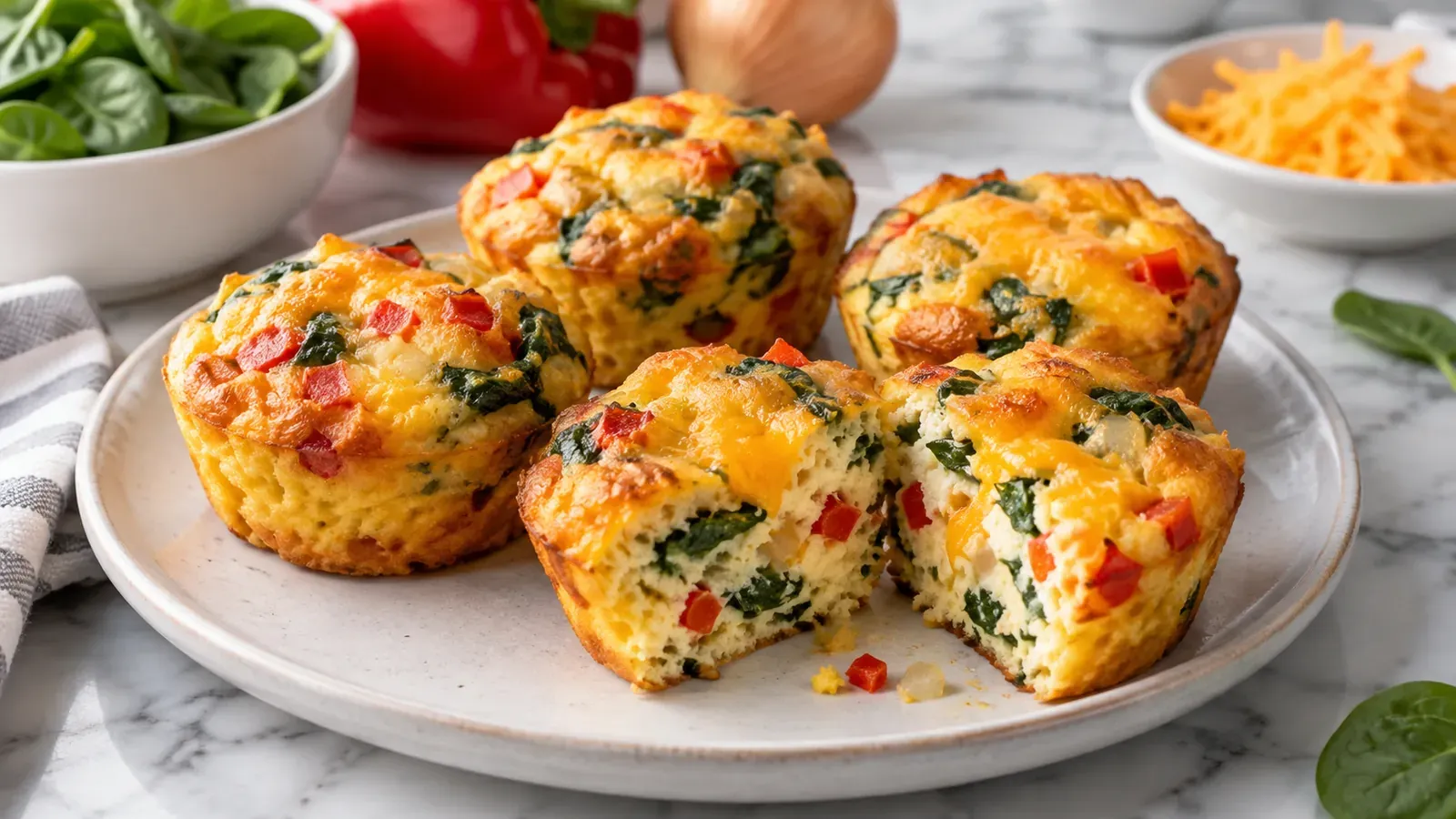
High-Protein Egg Muffins
Baked egg muffins with bell pepper, onion, spinach, and cheddar: a real make-ahead breakfast, ready to reheat all week.
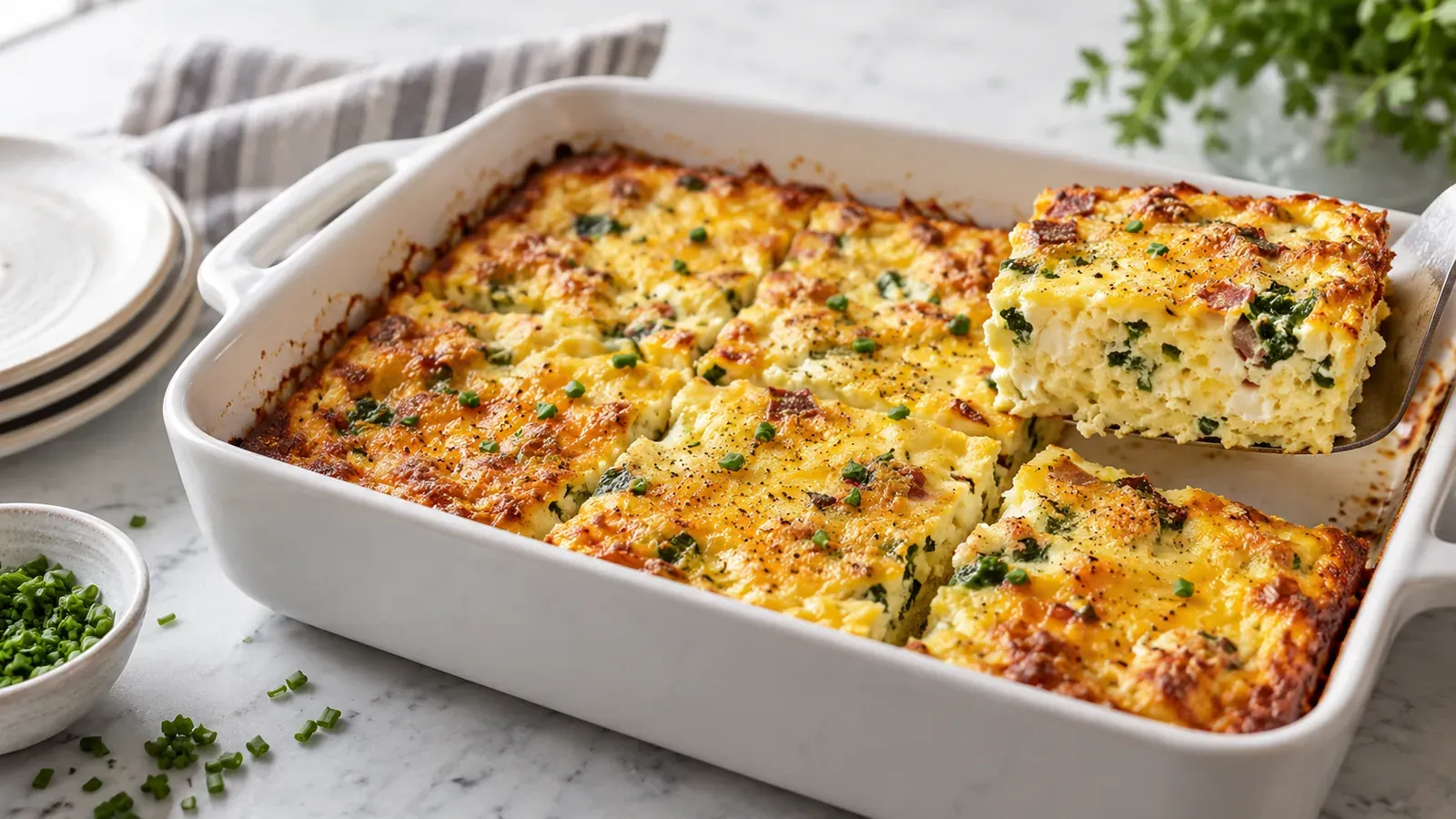
High-Protein Cottage Cheese Egg Bake
A straightforward egg and cottage cheese bake built for the week: high-protein, low-carb, and easy to cut into grab-and-go portions.
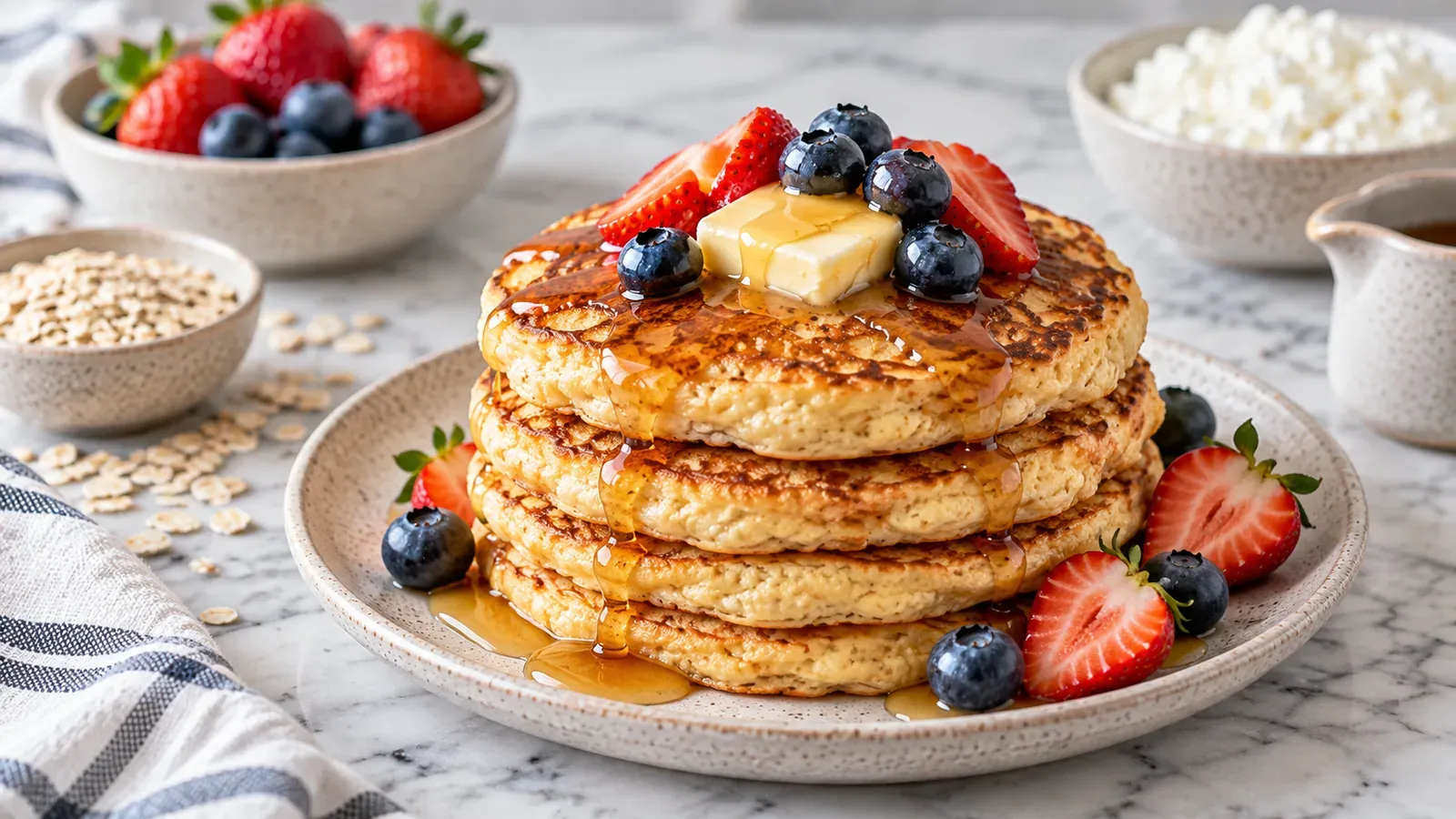
High-Protein Pancakes
Blender high-protein pancakes made from cottage cheese, eggs, and oats, no protein powder or pancake mix required.
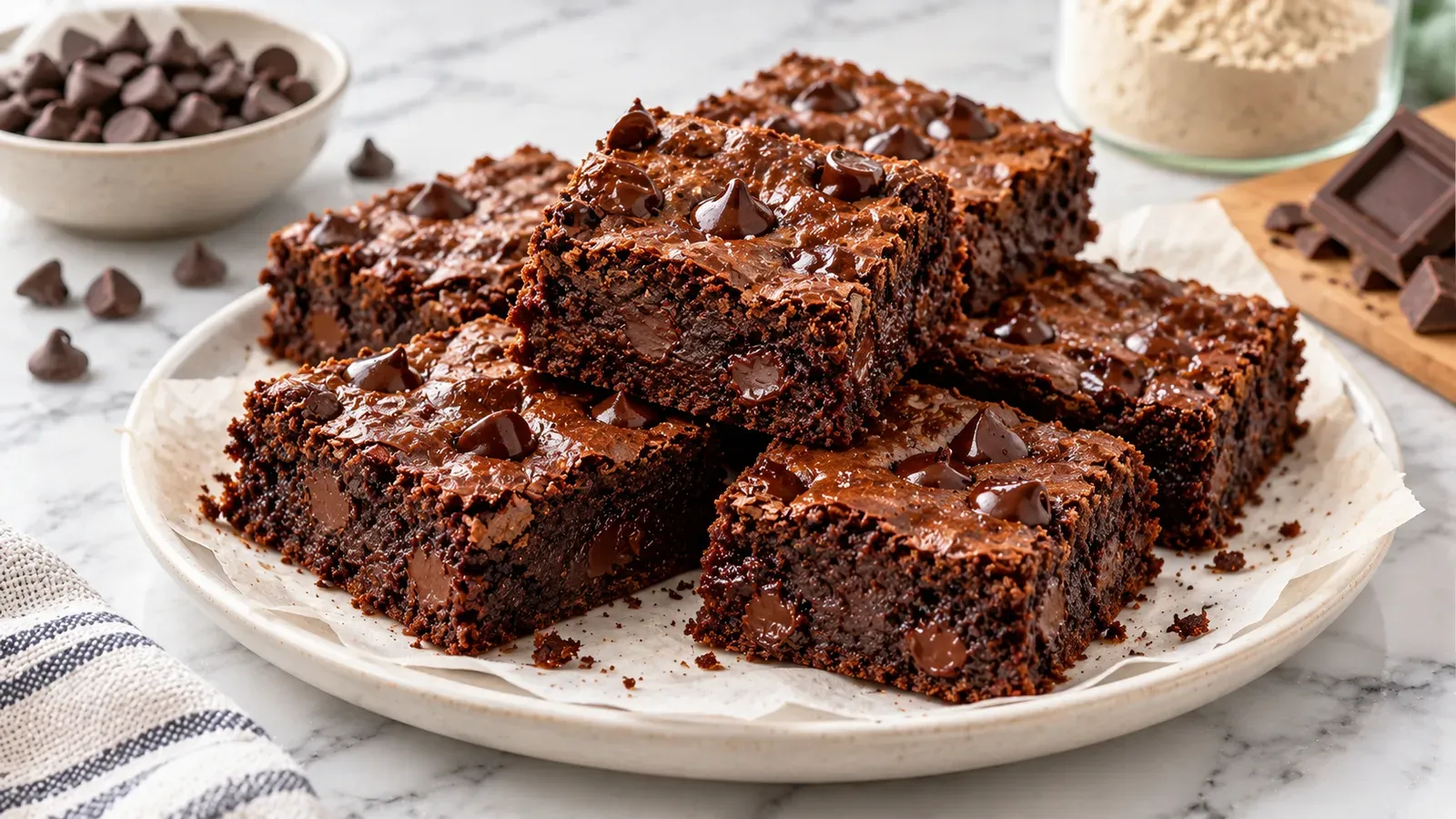
High-Protein Brownies
Flourless high-protein brownies made with black beans: gluten-free, high-fiber, low-calorie.
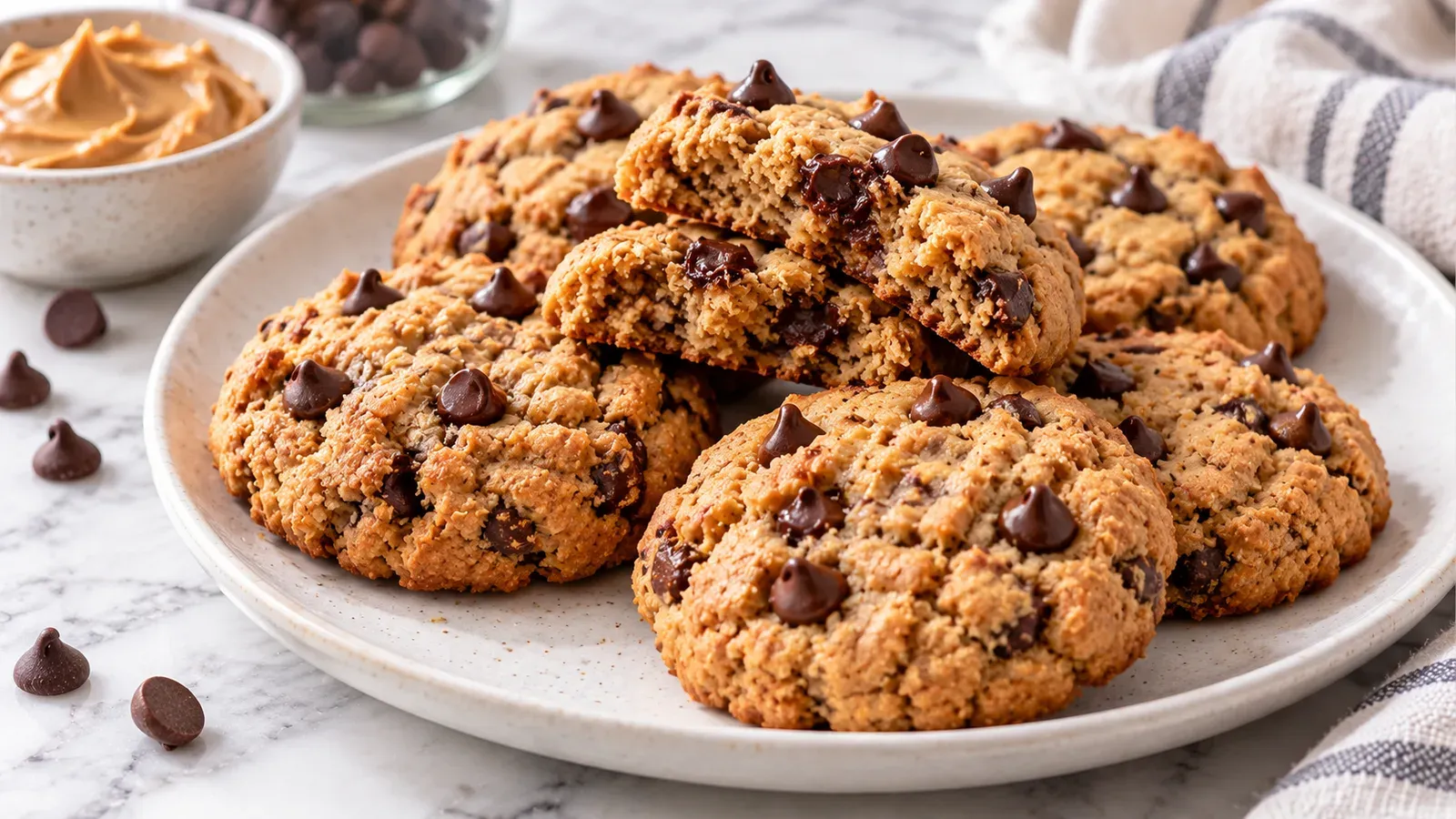
High-Protein Cookies
Flourless high-protein peanut butter cookies with dark chocolate chips: no flour, ready in 20 minutes.
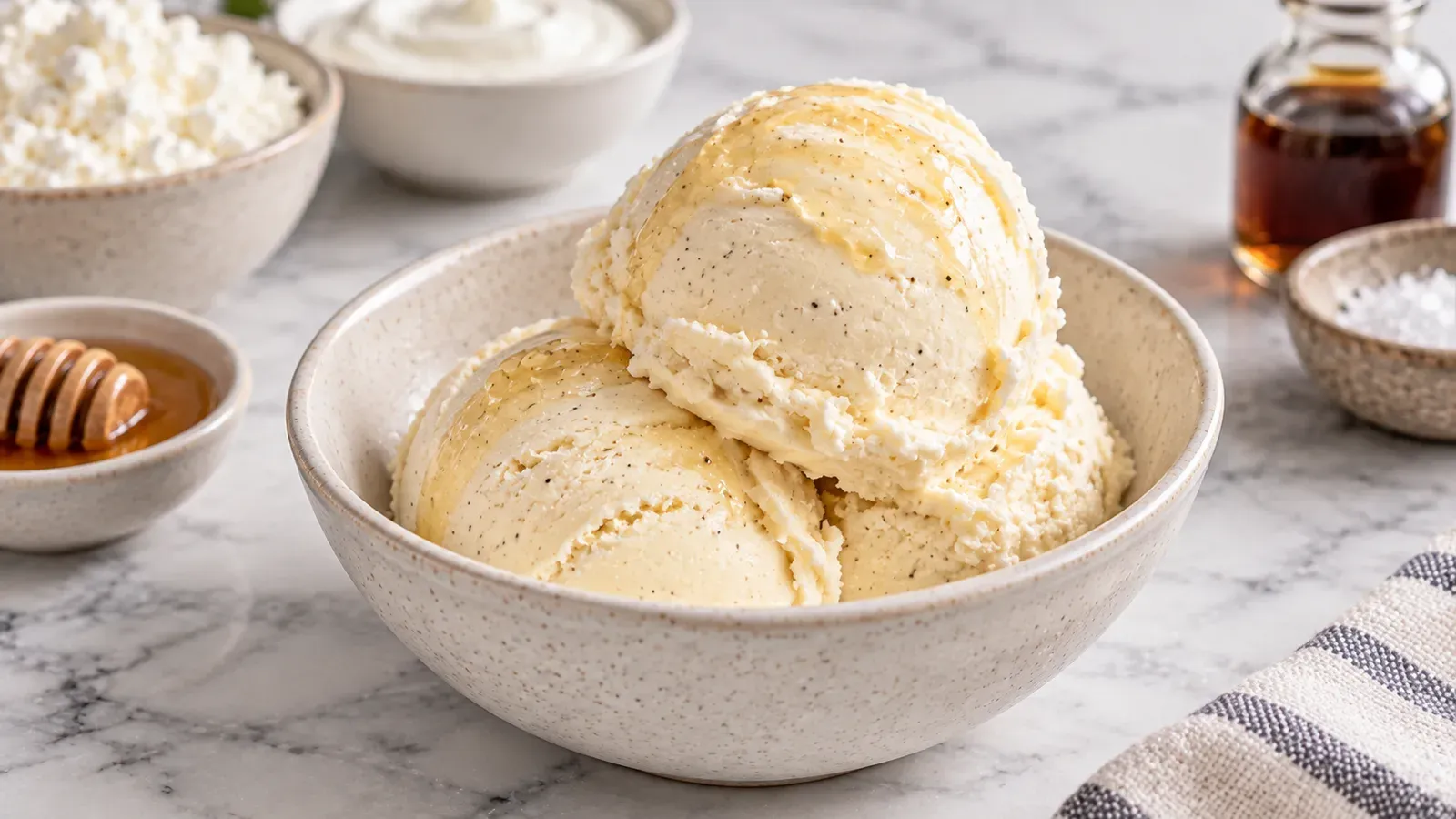
High-Protein Ice Cream
A high-protein ice cream made from Greek yogurt and cottage cheese, blended smooth: low-calorie, no ice cream maker needed.